Rigging the Truth: How Naval Experts and Maritime Historians Keep Ocean Thrillers Honest
When a film is set on the open ocean, the sea itself becomes an unforgiving co-star. Ropes coiled incorrectly, navigation charts displayed anachronistically, or engine room mechanics that defy basic physics — these are not minor oversights. For audiences who have served aboard vessels, worked commercial fishing operations, or spent careers in the United States Navy, such errors shatter immersion entirely. It is precisely this kind of credibility that separates a maritime film that endures from one that sinks quietly into obscurity.
The question, then, is not whether filmmakers should pursue authenticity — the answer to that is self-evident — but rather how they pursue it, and at what cost to narrative momentum.
The Consultant Class: Who Advises Modern Productions
The pipeline of expertise feeding into contemporary maritime productions is more structured than most viewers would expect. Productions of significant scale typically engage consultants from several distinct disciplines simultaneously, each covering a specific domain of seafaring knowledge.
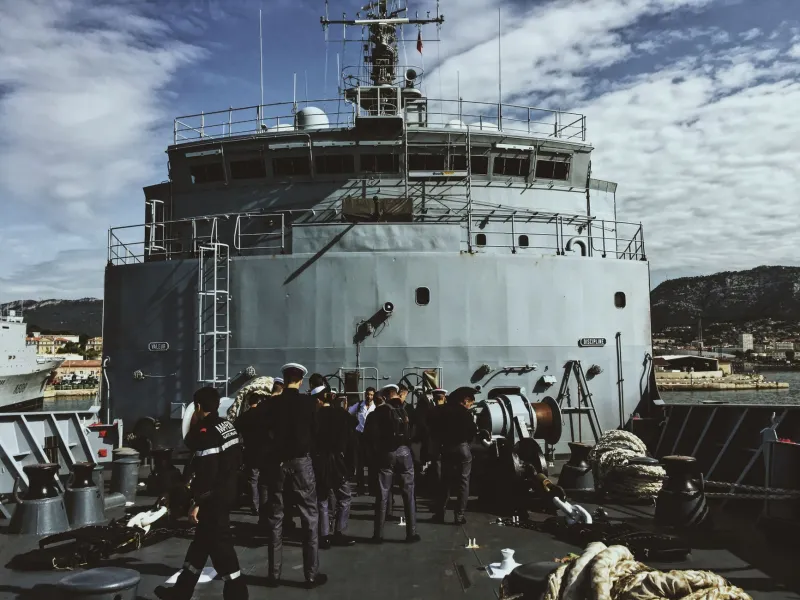
Retired United States Navy officers represent one of the most sought-after categories. Their understanding of command hierarchy, vessel operations, and emergency protocols provides filmmakers with a behavioral template — how personnel actually move through a ship under duress, how orders are communicated during a crisis, and what realistic chain-of-command dynamics look like when they begin to fracture. This last detail proves particularly valuable for films centered on psychological tension and authoritarian command structures, where the credibility of power dynamics aboard a vessel is central to the entire dramatic premise.
Maritime historians constitute a separate but equally vital layer. When a production is drawing from a literary source rooted in a specific historical period — the late nineteenth or early twentieth century, for instance — historians ensure that rigging configurations, navigational instruments, and vessel classifications reflect actual practice from that era rather than a generalized, vaguely nautical approximation. The difference between a period-accurate schooner and a prop-dressed stage set is immediately legible to anyone with genuine knowledge of the subject.
Commercial mariners and working fishermen, particularly those operating out of ports along the Pacific Northwest or the Gulf Coast, frequently serve as on-set technical advisors for productions requiring tactile, physical authenticity. These individuals know how rope behaves in wet conditions, how a deck shifts underfoot in heavy swells, and what exhaustion looks like on a crew that has been working through a North Pacific storm.
The Challenge of Translating Expertise Into Performance
Engaging qualified consultants is only the first step. The more persistent challenge lies in translating that expertise into something actors can embody convincingly and directors can capture on camera.
Several productions have addressed this by instituting what amounts to a maritime boot camp for principal cast members. Actors are taken aboard working vessels — often for multiple days — where they perform actual shipboard tasks under the supervision of experienced mariners. The goal is not to produce skilled sailors in a matter of weeks, but to imprint the physical vocabulary of seamanship: the particular way a sailor braces against a rolling deck, the instinctive manner in which an experienced hand reaches for a line, the posture that distinguishes someone at home on a vessel from someone merely pretending to be.
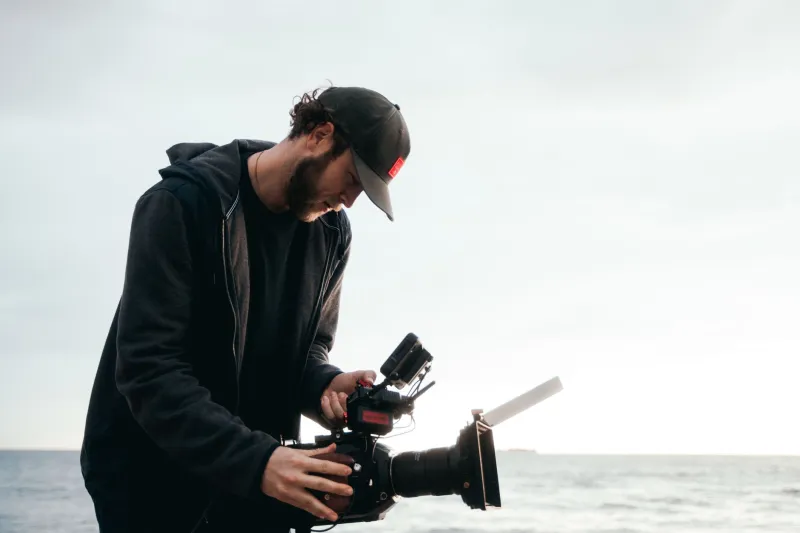
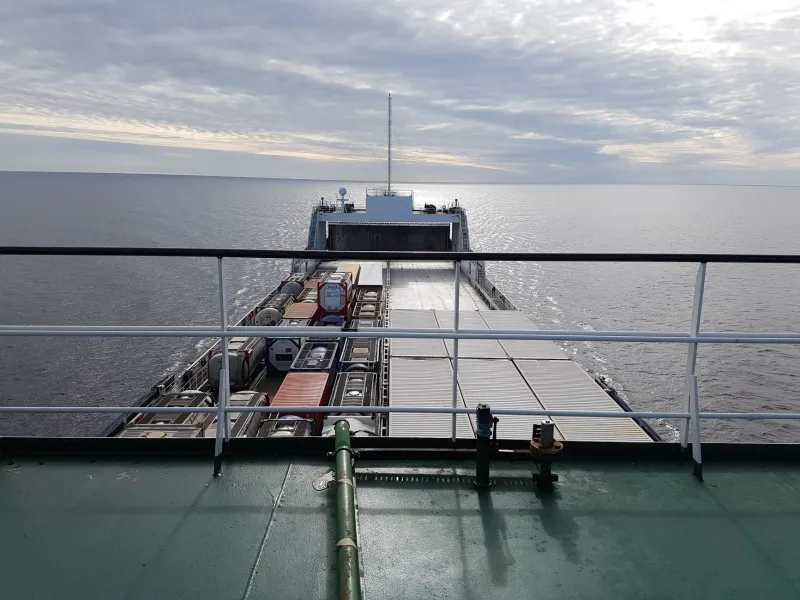
Directors of photography face their own set of technical negotiations. Authentic shipboard environments are notoriously hostile to film equipment. Space is constrained, lighting conditions shift constantly with the movement of the vessel, and the mechanical noise of a working ship creates significant challenges for sound design. The decision to shoot aboard actual vessels rather than purpose-built studio sets carries genuine creative and logistical tradeoffs that technical consultants help productions navigate.
When Accuracy and Drama Conflict
No honest account of the consultant relationship would omit the friction that routinely arises between technical advisors and creative departments. The demands of narrative pacing do not always accommodate the slower rhythms of authentic seamanship, and there are moments in virtually every maritime production where dramatic necessity overrides strict accuracy.
Seasoned consultants tend to accept this as an inherent feature of the work. The more practically useful distinction, as many of them describe it, is between errors that undermine the internal logic of a scene and errors that simply compress or stylize genuine procedures. A ship that changes course with implausible speed may frustrate a naval architect, but it rarely destroys an audience's engagement with the story. A captain who issues commands that would result in immediate catastrophe aboard any real vessel, however, introduces a credibility deficit that compounds with each subsequent scene.
The most effective consultant relationships are those in which advisors are brought into the production early enough to shape the script, rather than being retained as a corrective measure during principal photography. When technical expertise informs the writing process, the resulting screenplay tends to generate its own organic authenticity — dramatic situations that arise naturally from the genuine constraints and dangers of the maritime environment, rather than being imposed upon it.
The Legacy of Getting It Right
Films that achieve genuine nautical credibility tend to reward that investment across their entire lifespan. They hold up to repeated viewing by informed audiences. They attract the sustained respect of professional maritime communities. And they contribute, in a meaningful way, to the broader cultural understanding of what life at sea actually demands of the people who choose it.
For productions adapting source material as psychologically rich and technically specific as Jack London's work — fiction steeped in the brutal realities of Pacific sailing and the particular social dynamics of life aboard a pelagic vessel — the stakes of authenticity are especially high. London wrote from direct experience. His descriptions of shipboard life carry the authority of observation, and any film adaptation that hopes to honor that authority must bring comparable rigor to its own production process.
The ocean, as anyone who has spent serious time on it will confirm, has no patience for performance. It demands genuine competence or it exposes the lack of it without hesitation. The best maritime films understand this implicitly — and they seek out the expertise necessary to ensure that when the cameras roll, what appears on screen is not merely a convincing approximation of the sea, but something that carries its actual weight.